

Best Plant Based Indian Dishes in Manchester and Liverpool
As the two time winner of the ‘Vegetarian Restaurant UK‘ award in 2024 and 2025 from the Nation’s Curry Awards, we wanted this achievement to spark a conversation about why vegetarian and vegan Indian food deserves the spotlight.
Over the years we have met guests who were lifelong vegetarians, some who were newly vegan, and others who simply wanted to try something different without losing the comfort of flavours they already loved. The one thing they all shared was curiosity and a desire to enjoy food that felt familiar, satisfying and rooted in tradition rather than restriction.
So if you have ever wondered how dishes like kebabs, butter chicken or chilli chicken translate into a vegetarian or vegan context without losing character, you are in the right place.
This is our guide to classic meat favourites and the thoughtful plant powered versions you will find at Sanskruti.
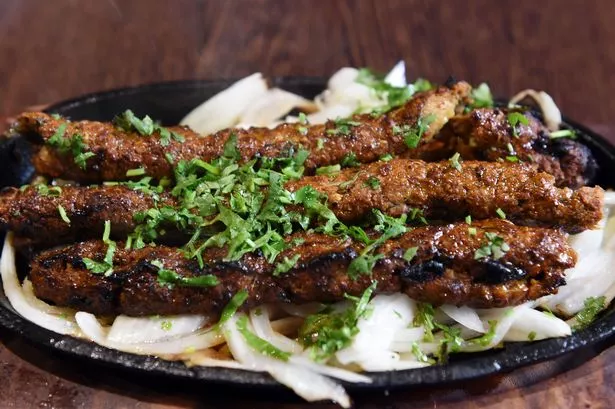
Kebab vs Vegan Seekh Kebab
The original dish:
Kebabs originated in Persia and the Middle East. The idea of skewered meat cooked over fire spread through Central Asia and eventually reached the Indian subcontinent during the Delhi Sultanate and Mughal rule. Seekh kebab in North India is usually minced lamb shaped around a skewer with spice blends like garam masala and chilli.
Our vegan version:
At Sanskruti, the Vegan Seekh Kebab keeps the smoky flavour and firm bite of a traditional kebab, but uses vegetables, herbs and plant based binders instead of meat.
Chicken Manchurian vs Vegan Gobi Manchurian
The original dish:
Chicken Manchurian is not Chinese, but Indo Chinese. It was created in the 1970s in Mumbai by Chinese Indian chefs blending soy sauce, vinegar and Indian spices. The original used chicken pieces fried and tossed in a tangy sauce.
Our vegan version:
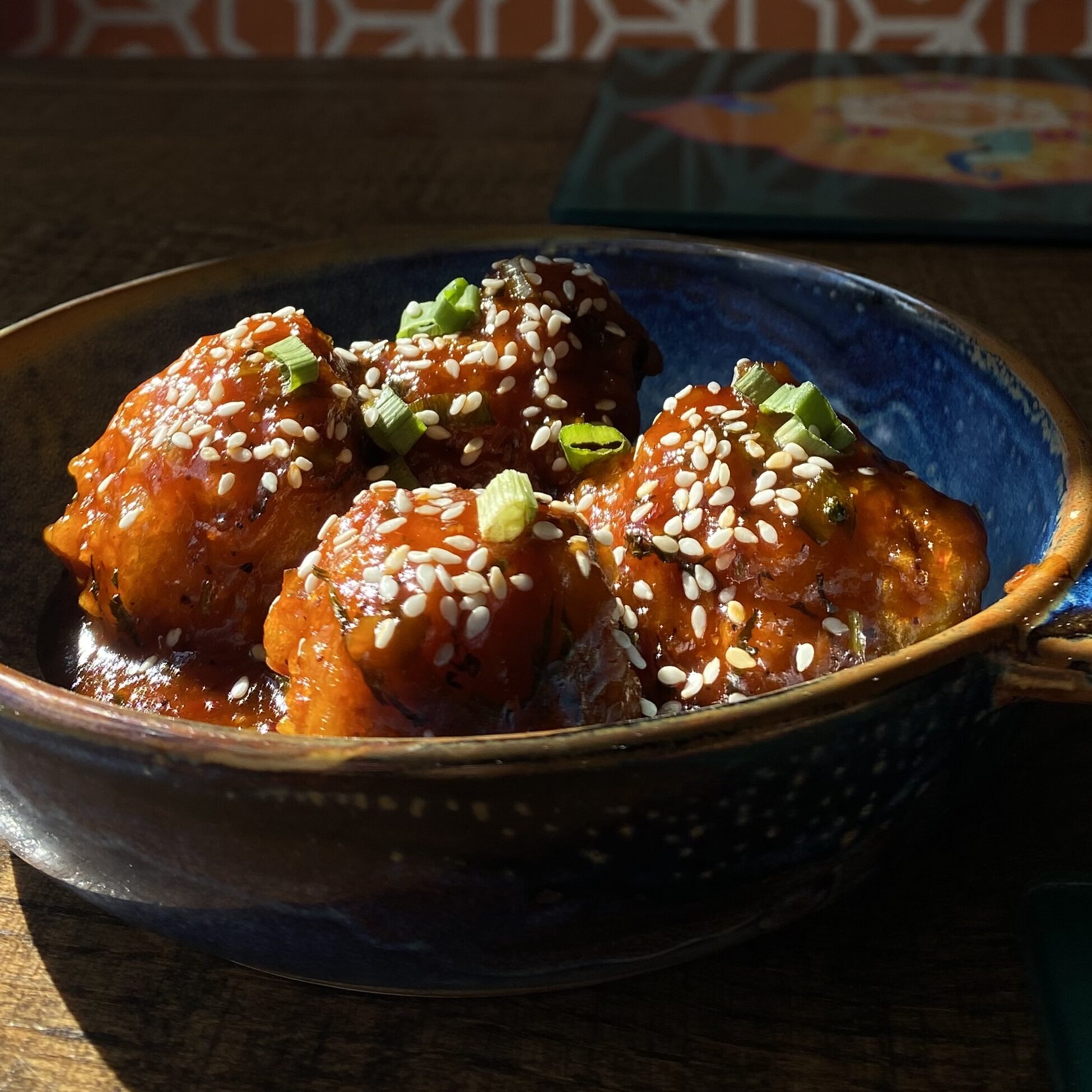
We offer Veg Manchurian, Babycorn Manchurian and Gobi Manchurian. These alternatives mimic the texture of meat chunks through batter frying and bold seasoning.
Chilli Chicken vs Chilli Paneer or Chilli Tofu
The original dish:
Chilli chicken is another classic Indo Chinese dish. It combines soy based sauces with masala, ginger and garlic. The meat is often fried before being tossed in sauce.
Our plant based version:
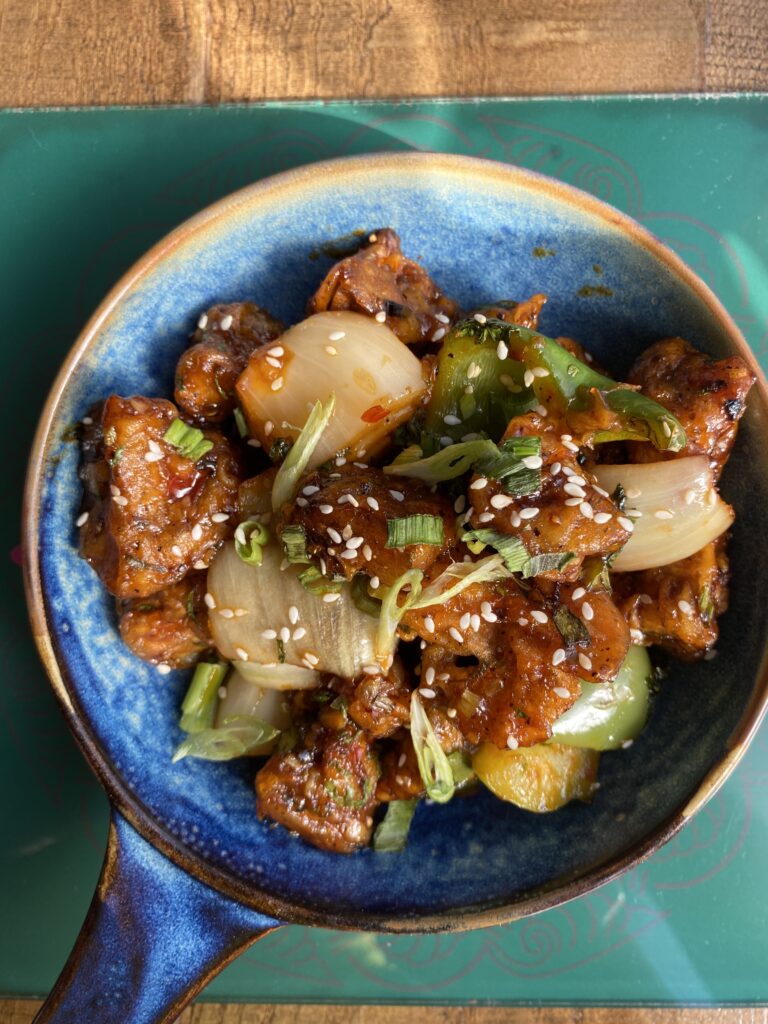
Chilli Paneer has the same chewy bite and works as the closest stand in to meat. Chilli Tofu offers a fully vegan alternative with the same spice profile. Paneer is vegetarian. Tofu is vegan.
Salt and Pepper Prawns vs Salt and Pepper Babycorn
The original dish:
Salt and pepper prawns are a staple of Indo Chinese cuisine, which grew out of Kolkata’s Chinese Indian community in the twentieth century. The dish usually uses prawns coated lightly in seasoned flour, fried until crisp and then tossed with garlic, chilli, pepper and spring onion. It is known for being simple, fragrant and very addictive.
Our plant based version:
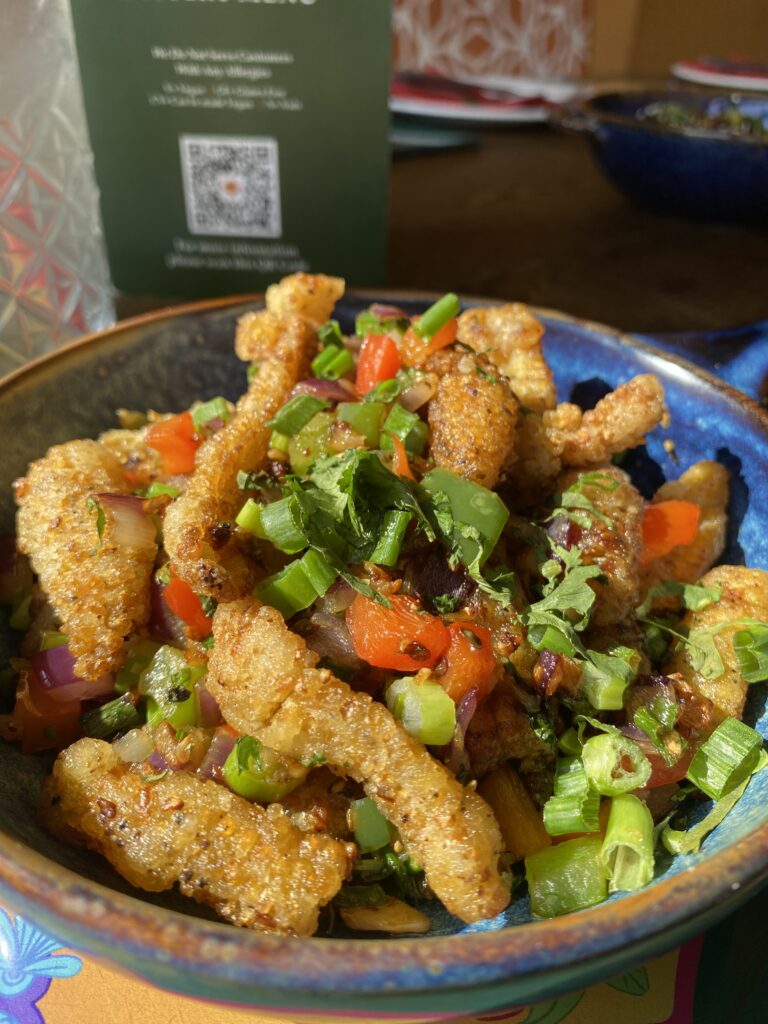
Salt and Pepper Babycorn carries the same playful bite and seasoning style. Babycorn holds its shape while absorbing spice, making it a brilliant alternative to prawns or squid. Crisp, savoury and full of flavour, it fits perfectly into the Indo Chinese section of our menu. This dish is vegan.
Butter Chicken vs Paneer Makhanwala or Tofu Makhani
The original dish:
Butter Chicken was created in Delhi in the 1950s by chefs from Moti Mahal restaurant who reused leftover grilled tandoori chicken in a tomato and butter sauce.
Our plant based version:
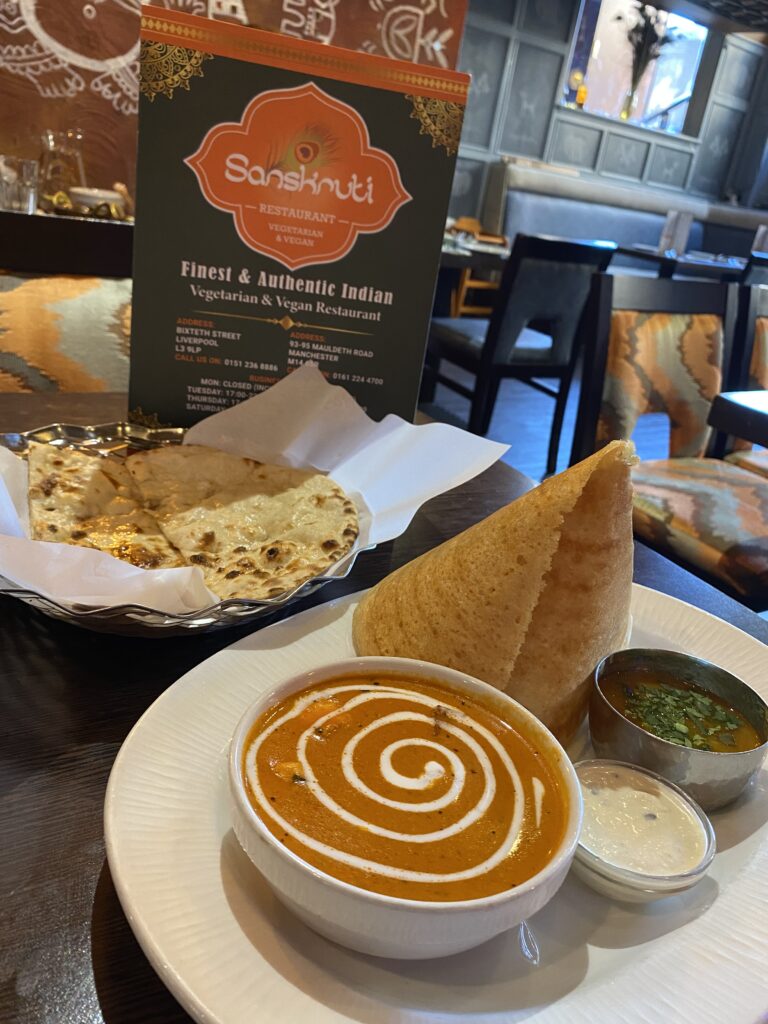
Paneer Makhanwala is the classic vegetarian version using fresh cheese cubes instead of chicken. For a fully plant based option we offer Tofu Makhani, using the same rich tomato gravy. Paneer Makhanwala is vegetarian. Tofu Makhani is vegan.
Lamb Curry vs Kathal Lazeez (Jackfruit Curry)
The original dish:
Slow cooked lamb is common across North India where rich gravies were influenced by Persian and Mughal cooking. These dishes rely on slow simmering to tenderise meat.
Our plant based version:
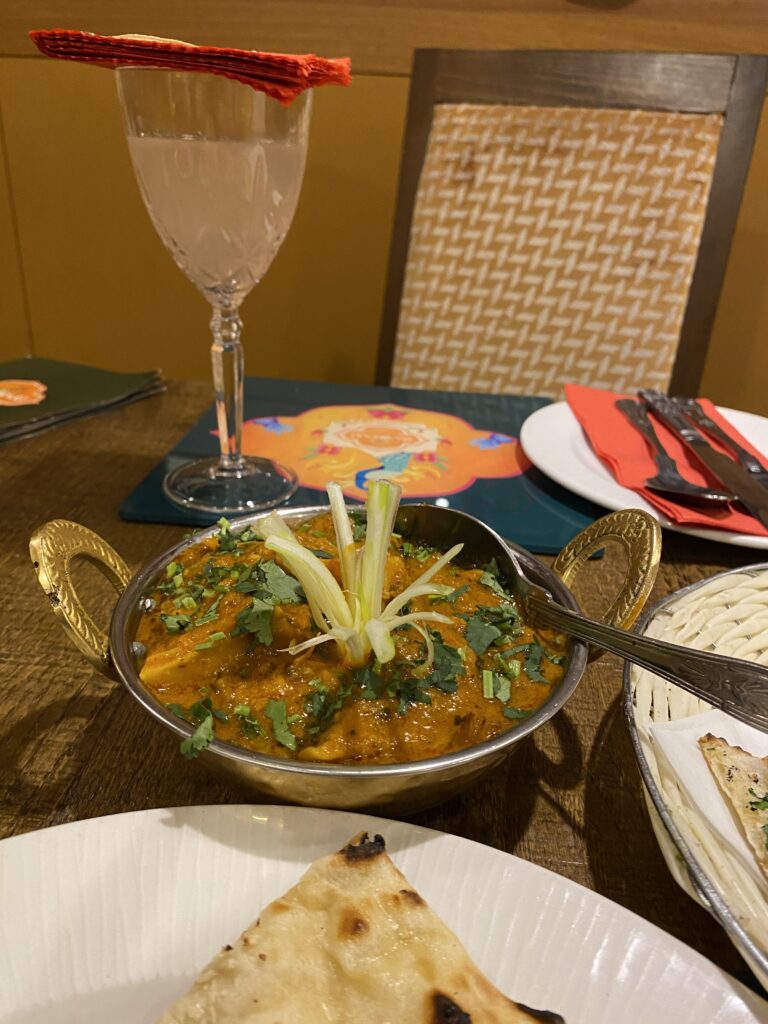
Kathal (jackfruit) is one of the oldest meat substitutes in India. When unripe, the fibres pull apart like shredded lamb or goat meat. Kathal Lazeez offers that rich, comforting texture. This dish is vegan.
Meat Kofta vs Vegan Malai Kofta
The original dish:
Kofta originated from Persia where minced lamb was shaped into balls and cooked in a gravy. The idea travelled to India and entered royal Mughal cuisine.
Our plant based version:
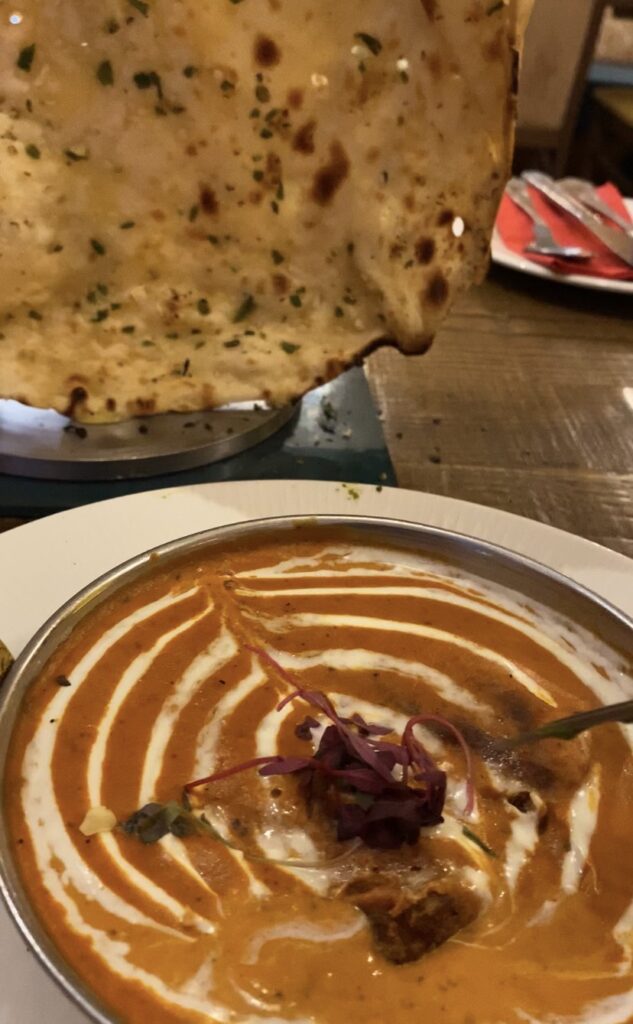
Vegan Malai Kofta uses vegetable dumplings in a creamy cashew based gravy. The texture comes very close to a meatball while remaining dairy free. This dish is vegan.
Amritsari Fish vs Amritsari Tandoori Mushroom
The original dish:
Amritsari fish is a beloved street snack from Punjab, especially Amritsar. Traditionally it is made using freshwater fish like sole or singhara, coated in a gram flour batter seasoned with ajwain, chilli and spices, then fried until crisp. It became popular during the British era when Amritsar’s food culture expanded around markets and railways, making it both accessible and iconic.
Our plant based version:
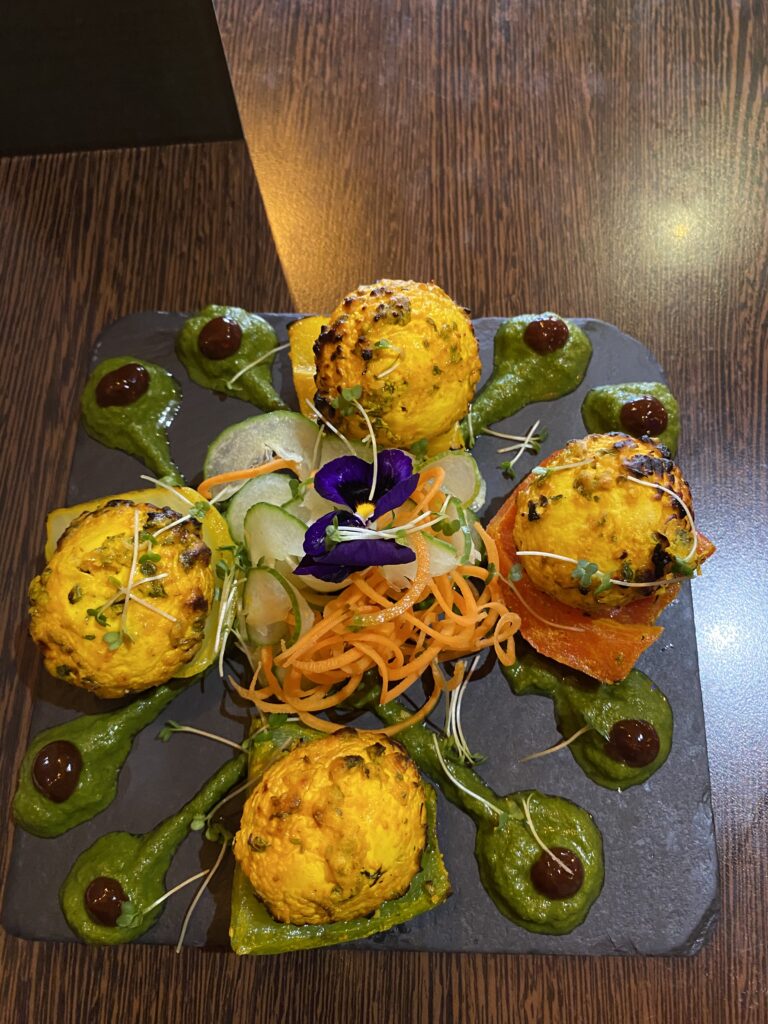
Our vegan Tandoori Mushroom Amritsari takes inspiration directly from that dish. The mushrooms are prepared using the same seasoning style to create that familiar warmth and flavour. With their meaty texture and ability to hold spice, they offer the same satisfaction without the seafood.
Plant based Indian food is not something new or invented to replace meat. It is a part of our culture, our homes and our history. Long before modern dining trends, families across India cooked with vegetables, lentils, grains, paneer and spices that carried depth, warmth and memory.
Many of the dishes you will find here were enjoyed exactly as they are today, long before meat became the centre of a meal. For generations they have brought people together around the table.
So whether you are vegan, vegetarian or simply exploring something new, you will find comfort here. Familiar flavours. Honest ingredients. Food that feels good not only when you eat it, but also afterwards, knowing it matches your values and how you want to live.
Checkout our menu for more plant based options here.